The Psychological Design of Casinos
Casinos employ various psychological techniques aimed at extending player engagement. One of the most notable designs is the layout of the gaming floor itself. The arrangement of slot machines and tables is strategic, often creating a maze-like environment that encourages exploration. When players navigate this designed space, they inadvertently lose track of time and tend to play longer than they originally intended, especially when they encounter the mega888 original games that captivate their attention and enhance the overall experience. By keeping players immersed within the casino and away from exits, the design minimizes distractions from the outside world.
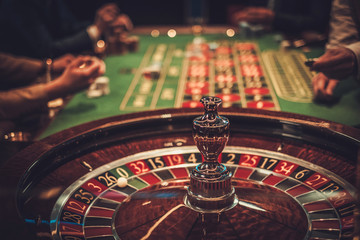
Another psychological tactic commonly seen in casinos involves the use of sensory stimulation. Bright lights, vibrant colors, and the sounds of winning slots serve to create an exhilarating atmosphere that heightens emotional responses. This sensory overload can lead to an adrenaline rush, pushing players to continue their gaming activities. The integration of upbeat music and celebratory sounds reinforces positive feelings, making it easy for players to get swept up in the excitement and stay engaged longer.
Furthermore, casinos often utilize reward systems to keep patrons invested in their experience. Loyalty programs and frequent player rewards create an incentive to continue gaming, as players can earn points, comped meals, or bonuses. This concept of earning rewards not only gives players a reason to extend their visit but also fosters a sense of belonging and appreciation, which can enhance their overall experience. Ultimately, these psychological manipulations are carefully orchestrated to create an environment where players feel compelled to keep playing.
The Role of Game Design
Game design is a crucial factor in determining how long players remain engaged in casinos. Many games, especially slot machines, are engineered to be highly addictive. The variable reward schedules used in these games can lead to longer play sessions. Players may experience a mix of small wins along with the occasional big payout, creating a dopamine response that reinforces their desire to keep playing. This unpredictability makes it difficult for players to walk away, as they believe they might hit that big win at any moment.
Additionally, casinos frequently incorporate behavioral cues to maintain interest. For example, games with visually appealing graphics and interactive features can draw players in for extended periods. The allure of new game technologies, such as virtual reality, adds an immersive experience that can further entice players to engage for longer. By continually updating their offerings and enhancing the gaming experience, casinos keep their patrons returning, ready to explore what new experiences await.
Moreover, the presence of skilled dealers and friendly staff adds to the allure of table games. Personalized interactions can foster a sense of connection between players and casino employees, making patrons feel valued and encouraging them to stay longer. This social element is particularly evident in games like poker, where the dynamics between players can significantly extend the time spent in a casino. As social connections form, players are more likely to engage, leading to longer gaming sessions.
The Impact of Environment and Ambiance
The overall ambiance of a casino plays a significant role in player retention. A carefully curated atmosphere, characterized by luxury, comfort, and excitement, can make players feel at ease and more willing to spend time gambling. Comfortable seating, complimentary drinks, and an inviting design create an immersive environment that draws players back. When players feel comfortable, they are less likely to leave, resulting in longer durations of play.
In addition to physical comfort, the absence of clocks and windows in many casinos contributes to a loss of time awareness. Without natural cues to determine the passage of time, players can easily become absorbed in their gaming experience. This deliberate choice fosters an environment where players can focus solely on their games, often leading them to underestimate how long they have been playing. The design elements work in tandem to create a psychological illusion, making it easy for players to become lost in the moment.
Moreover, the atmosphere surrounding high-stakes games can elevate the experience for players, contributing to longer gaming sessions. The energy from crowds, coupled with the thrill of watching significant wins at nearby tables, creates a buzzing environment that encourages involvement. This sense of community and shared excitement is often intoxicating, making it hard for players to step away, especially when they feel connected to the energy of those around them.
The Role of Marketing Strategies
Casinos also employ sophisticated marketing strategies designed to entice players into staying longer. Promotional offers, such as free play credits, dining discounts, and special events, act as a lure for both new and returning players. By creating an environment filled with incentives, casinos aim to keep players engaged and encourage them to spend more time on the floor. This strategy not only attracts players but also enhances their overall experience, making them feel valued and appreciated.
Moreover, targeted advertising plays a critical role in casino marketing efforts. Utilizing data analytics, casinos can tailor their promotions to specific demographic groups, ensuring a personalized approach that resonates with potential visitors. For instance, they may market exclusive events or offers to loyal customers through mobile apps and email campaigns, drawing them back into the casino. This personalized engagement not only highlights the casino’s dedication to customer satisfaction but also reinforces loyalty and encourages prolonged play.
Additionally, casinos frequently host live events, concerts, and themed nights to enhance their appeal. These events create additional value for patrons, often leading to longer stays. When guests are drawn in for entertainment, they may also indulge in other gaming activities before or after the event. This diversification allows casinos to maximize their offerings, ensuring that players are not only entertained but also tempted to extend their visits through the allure of gaming and social engagement.
Understanding the Long-term Implications
The design strategies employed by casinos raise important questions about the long-term implications for players. While many enjoy the exhilaration of gaming, it is essential to recognize the potential risks associated with extended play. The immersive atmosphere, coupled with psychological tricks, can lead to problematic gambling behavior for some individuals. As players become invested in the experience, the line between entertainment and compulsion may blur, resulting in negative consequences.
Awareness of personal gambling habits is crucial for players to avoid falling into the trap of excessive play. Casinos often rely on their designs and marketing strategies to keep players hooked, which underscores the importance of self-regulation. Establishing limits, taking breaks, and remaining mindful of one’s spending can help maintain a healthy relationship with gambling activities. Understanding the potential risks empowers players to make informed decisions, allowing them to enjoy the thrilling environment without succumbing to its enticing grasp.
Furthermore, the revelations about casino designs and their intent can serve as a catalyst for broader conversations surrounding responsible gambling. As more players become knowledgeable about the strategies used to keep them engaged, the industry may face increasing pressure to promote transparency and ethical practices. This evolving dialogue emphasizes the importance of responsible design and marketing to ensure that the casino experience remains enjoyable and sustainable for all patrons.
